Methyl Cellulose (MC): A Versatile Polymer Driving Innovation Across Industries
In the evolving landscape of modern materials science, Methyl Cellulose (MC) has emerged as a highly versatile and indispensable polymer. Derived from natural cellulose through chemical modification, MC is widely used in construction, pharmaceuticals, food, personal care, and industrial applications. Its unique combination of water solubility, thermal gelation, and film-forming ability makes it a critical additive in numerous formulations. Leading global manufacturers such as Dow Chemical Company, Shin-Etsu Chemical Co., Ltd., and Ashland Global Holdings Inc. continue to expand MC production and innovation to meet growing global demand.
Rising Demand for Functional Polymers
With rapid urbanization, industrialization, and increased consumer expectations, the demand for multifunctional and sustainable materials has grown significantly. Methyl Cellulose fits well into this trend due to its plant-based origin, non-toxic nature, and wide-ranging performance characteristics.
Industries are increasingly shifting toward eco-friendly and water-based systems, where MC plays a crucial role. From improving the performance of cement-based materials to enhancing the texture of food products, MC has become a cornerstone of modern formulation science.
Chemical Structure and Unique Properties
Methyl Cellulose is produced by substituting hydroxyl groups in cellulose with methoxy groups. This modification disrupts the natural hydrogen bonding in cellulose, making MC soluble in cold water. One of its most distinctive features is thermal gelation—MC forms a gel when heated and returns to a liquid state upon cooling.
This reversible gelation behavior is particularly valuable in applications requiring temperature-responsive performance. Additionally, MC exhibits excellent thickening, emulsifying, and film-forming properties. It is stable across a wide pH range and compatible with many other additives, making it highly adaptable in complex formulations.
Role of MC in Construction Materials
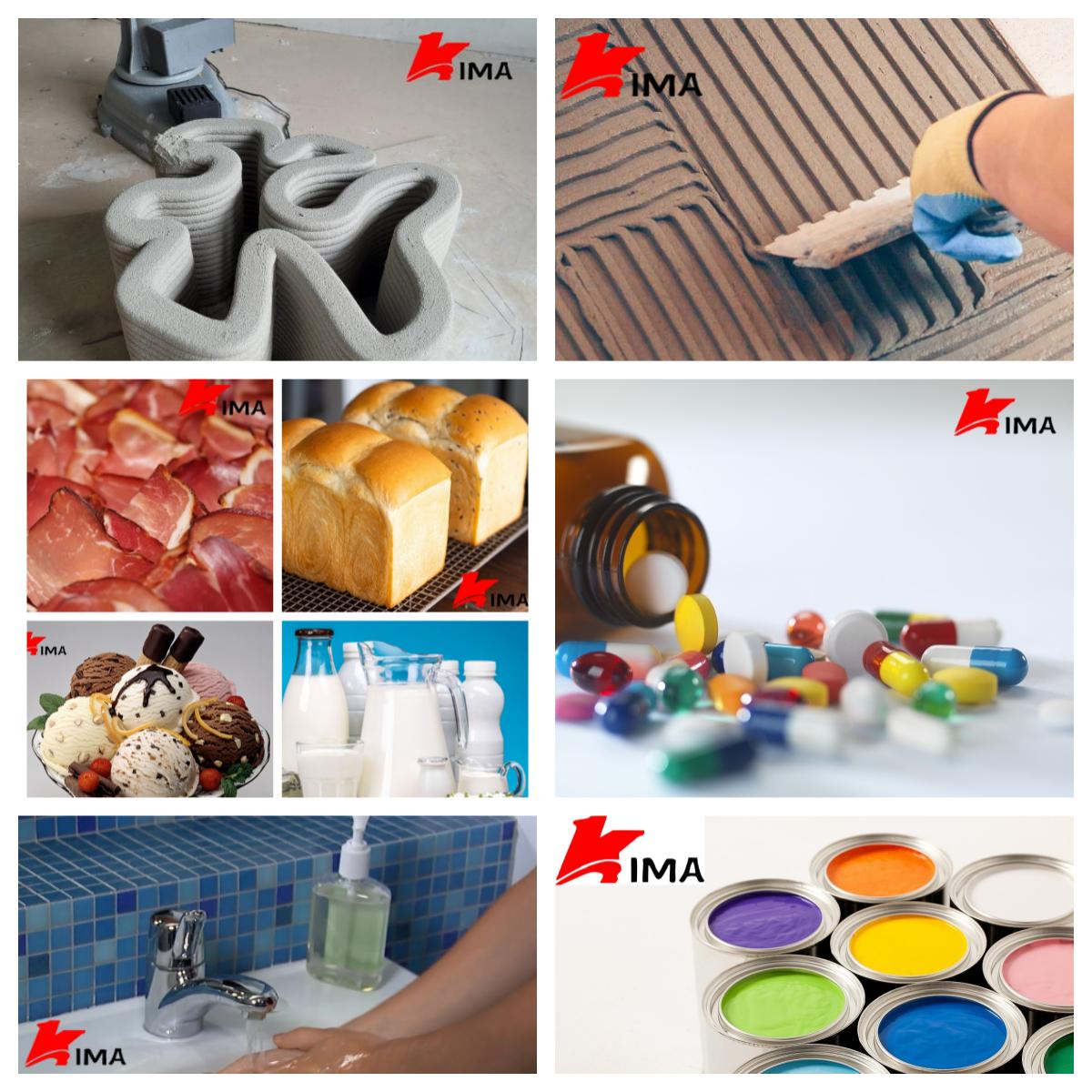
In the construction industry, MC is widely used in dry-mix mortars, tile adhesives, and putty powders. Its primary functions include water retention, workability improvement, and adhesion enhancement.
By retaining water within the mixture, MC ensures proper cement hydration, which is essential for strength development. It also improves the consistency and spreadability of the material, allowing for easier application. In vertical applications, MC provides anti-sag properties, preventing materials from slipping or deforming.
Furthermore, MC contributes to crack resistance by maintaining moisture levels and reducing shrinkage. These properties make it a valuable additive in high-performance construction systems.
Applications in the Food Industry
Methyl Cellulose is widely used in the food industry as a thickener, stabilizer, and emulsifier. It is commonly found in sauces, bakery products, dairy alternatives, and processed foods.
One of its most interesting applications is in plant-based meat products, where MC acts as a binding agent. Its thermal gelation property allows it to mimic the texture of animal fat, providing a juicy and cohesive structure when heated.
MC is also used to improve mouthfeel, prevent ingredient separation, and extend shelf life. Its safety and non-toxicity make it suitable for food-grade applications, meeting regulatory standards worldwide.
Pharmaceutical Applications
In the pharmaceutical sector, MC serves as an important excipient. It is used as a binder, thickener, and film-forming agent in tablet formulations. Its ability to control viscosity and form stable solutions makes it ideal for liquid and semi-solid dosage forms.
MC is also used in ophthalmic solutions and topical formulations due to its lubricating and moisture-retaining properties. Its biocompatibility and non-reactive nature ensure compatibility with a wide range of active pharmaceutical ingredients.
Role in Personal Care and Cosmetics
The personal care industry relies on MC for its thickening and stabilizing properties. It is commonly used in shampoos, lotions, creams, and toothpaste.
MC helps improve the texture and consistency of products, ensuring a pleasant user experience. It also stabilizes emulsions, preventing phase separation and enhancing product shelf life.
In addition, MC contributes to film formation on the skin and hair, providing protective and conditioning effects.
Industrial and Specialty Applications
Beyond traditional sectors, MC finds applications in paints, coatings, adhesives, and ceramics. In water-based paints, it acts as a thickener and rheology modifier, improving application performance and preventing pigment settling.
In ceramics, MC is used as a binder and plasticizer, enhancing the workability of clay and improving the strength of green bodies. It is also used in textile printing and paper coating, where it provides uniformity and stability.
Sustainability and Environmental Benefits
As a cellulose-derived polymer, MC is renewable, biodegradable, and environmentally friendly. Its use supports the development of sustainable materials and reduces reliance on synthetic, petroleum-based additives.
Manufacturers are increasingly focusing on green production methods, including energy-efficient processes and reduced emissions. Companies like Shin-Etsu Chemical Co., Ltd. and Ashland Global Holdings Inc. are investing in sustainable innovation to meet environmental goals.
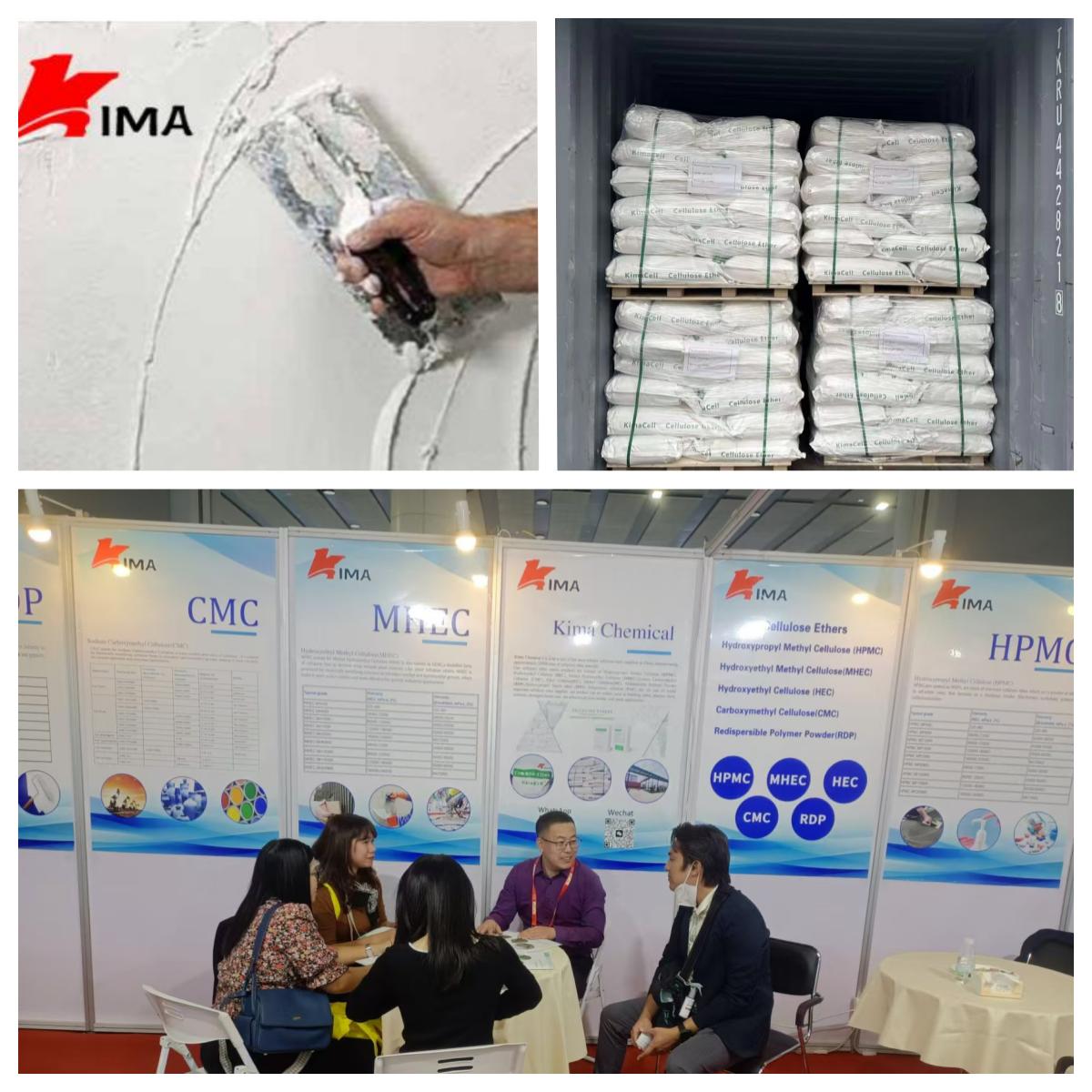
Quality Control and Manufacturing Standards
The production of Methyl Cellulose involves several stages, including cellulose purification, alkalization, etherification, and drying. Strict quality control measures are implemented to ensure consistent product performance.
Key parameters such as viscosity, degree of substitution, moisture content, and particle size are carefully monitored. Advanced analytical techniques are used to verify product quality and compliance with industry standards.
Manufacturers must also adhere to Good Manufacturing Practices (GMP) and other regulatory requirements, particularly for food and pharmaceutical applications.
Technological Advancements
Recent advancements in polymer chemistry and processing technology have led to the development of new MC grades with enhanced performance characteristics. These include improved solubility, faster dispersion, and better stability under extreme conditions.
Digitalization and automation are also transforming manufacturing processes, enabling greater precision and efficiency. Continuous research and development are driving innovation and expanding the application scope of MC.
Market Trends and Future Outlook
The global market for Methyl Cellulose is expected to grow steadily, driven by increasing demand in construction, food, and pharmaceutical industries. Emerging markets, particularly in Asia-Pacific, are contributing significantly to this growth.
The rise of plant-based foods, sustainable construction materials, and advanced drug delivery systems is creating new opportunities for MC. As industries continue to evolve, the demand for multifunctional and eco-friendly additives like MC will remain strong.


 English
 日本語
日本語 français
 Deutsch
 Español
 العربية
 Türkçe
 italiano
 русский
 português
 Nederland